Category: Thoughts

  • How AI Will Disrupt Entry-Level Jobs and Create More Snake Oil Influencers: The AI/Human Apprenticeship Shakeup

    How AI Will Disrupt Entry-Level Jobs and Create More Snake Oil Influencers: The AI/Human Apprenticeship Shakeup

    Overview

    Much of the opinion on how AI will change human work is polarizing: AI will either create a paradise where we’re all relaxing with our newfound time and wealth or it will cause the rapid downfall of civilization and kill us all. To me, the result of changing in the division of human/AI labor will be much more gradual, but will cause monumental shifts in education, work, recreation, and how we meatbags spend our time. In this article, I want to explore a few obvious shifts, the second and third-level effects, and finally a prediction that we’ll see the TikTok-style “Snakeoilification” of entry-level work.

    Part One: Obvious Predictions on What AI Will Change in Human Jobs

    Displacement of Blue-Collar Workers in Construction, Manufacturing, and Agriculture

    One of the most common predictions is that AI will replace construction, manufacturing, and agriculture jobs. I think that the combination of semi-manual labor and how much technology has changed these industries make these sectors an easy target. Some examples:

    • Mining and Construction: AI-powered robots and machinery can take over dangerous tasks in mining, construction, and oil drilling, significantly reducing the risk of human injury. This displacement benefits workers by removing them from hazardous environments.
    • Manufacturing: In sectors where repetitive tasks dominate, like automotive or electronics manufacturing, AI can perform tasks with greater precision and consistency. This can free human workers to focus on more complex, creative, or supervisory roles.
    • Precision Farming: AI can help optimize the use of resources in farming, reducing the need for manual labor while increasing crop yields. Automated machines can plant seeds, monitor crops, and apply fertilizers or pesticides in precise amounts, reducing waste and environmental damage.
    • Farm Management: AI systems can monitor soil health, weather conditions, and pest activity to help farmers make data-driven decisions, improving efficiency and sustainability in agriculture.

    Let’s then look at the 2nd and 3rd level effects that could result from AI taking over these jobs,

    Second-Level Effects:

    • Disruption of Unions and Worker Protections: As AI takes over dangerous and repetitive jobs in these industries, unions that traditionally protect blue-collar workers could lose influence. This could result in fewer collective bargaining opportunities, wage stagnation, or less job security in remaining roles.
    • Impact on Trade Schools and Vocational Training: Institutions that train people for trades like welding, carpentry, and machinery operation may see decreased enrollment, forcing these schools to pivot toward emerging industries like robotics maintenance, AI system operation, or renewable energy technologies.
    • Shift in Supporting Industries: Companies like Home Depot, Lowe’s, and others that rely on DIY construction, repair, and renovation may experience downturns in sales as demand for construction tools and materials declines. The retail economy could see fewer in-person customers, forcing adaptation through new business models, such as focusing on automation maintenance tools or smart home devices.

    Third-Level Effects:

    • Migration to New Sectors: Blue-collar workers displaced by AI in mining and manufacturing may seek opportunities in sectors like healthcare, renewable energy, or logistics. These sectors will need to adapt by offering reskilling programs for workers with a different skill set and expanding job openings in roles like technician and maintenance.
    • Economic Shifts in Regions Dependent on Traditional Industries: Regions whose economies are heavily reliant on mining, construction, or manufacturing might suffer economically. This could lead to regional economic depressions, a shrinking tax base, and a shift toward service-based or gig economies.

    AI in Retail

    Right after manual labor is retail, and the lowest paid, lowest margin industries are always looking to cut costs and have lower turnover.

    Second-Level Effects:

    • Decline of Traditional Retail Jobs: As AI takes over customer service (via chatbots) and in-store operations (via automated checkout), traditional retail jobs will diminish. This will impact roles like cashiers, stock clerks, and even customer service representatives.
    • Shift in Retail Skills: Retail workers will need to shift from customer-facing roles to more technical ones, such as robotic maintenance, supply chain optimization, or AI system management. Retail training programs may need to focus on technical literacy rather than interpersonal skills.

    Third-Level Effects:

    • Increase in E-commerce Jobs: While traditional retail jobs may shrink, e-commerce platforms and digital services could see growth in positions related to logistics, warehousing, and customer experience design. New job opportunities will emerge in areas like managing AI-driven supply chains and optimizing last-mile delivery.
    • Impact on Local Economies: Local economies reliant on brick-and-mortar retail could see a decline, which might prompt cities to rethink urban planning. Commercial spaces may transition to co-working hubs or experience-driven retail (e.g., pop-up stores, interactive events) that provide something AI cannot replace.

    Displacement of Support Staff by AI in Administrative Work

    Moving down the “perception of humanness” continuum of work, we can then look at support staff in the professions. Administrative roles. Again, these are roles that perform similar, repeated tasks that are often entirely computer-based.

    Some examples:

    • Document Review and Contract Analysis: AI can handle routine legal tasks like reviewing contracts, analyzing case law, or preparing documentation. Lawyers and legal professionals can then focus on more complex tasks like litigation, negotiations, and client advisory roles, where human judgment and creativity are indispensable.
    • Tax Preparation: AI can streamline tax filing processes, reducing errors and speeding up the work that accountants do for routine tax returns. This allows accountants to focus on more strategic financial planning services.
    • Customer Support: AI-driven chatbots can handle routine customer service queries, such as FAQs or simple troubleshooting, reducing the workload for human support agents. Displacement here allows human workers to focus on more complex, personalized, or higher-level customer issues, which can improve overall service quality.

    Second-Level Effects:

    • Decline in Paralegal and Administrative Roles: As AI takes over document review, case analysis, and administrative tasks, there will be fewer entry- to mid-level jobs for paralegals, legal assistants, and administrative professionals. Law firms may become leaner, focusing on higher-tier roles like attorneys or legal strategists.
    • Changes in Legal Education: With fewer entry-level legal roles, the appeal of law school may decrease, leading to a reduction in law school enrollments. This could shift the focus of legal education from routine work to strategic, AI-supported roles like legal technology experts or cyber law specialists.
    • Mid-Level White-Collar Job Scarcity: Young professionals seeking stable, mid-level white-collar jobs like paralegals or office managers may find themselves struggling to find employment in fields traditionally reliant on administrative work. This could drive them toward sectors like data analysis, project management, or customer experience management, which may experience a surge in demand for human oversight of AI systems.

    Third-Level Effects:

    • Widening Gap in Legal Representation: As fewer people enter the legal profession, there may be a gap in representation for lower-income individuals or small businesses. While AI may help automate some legal services, it could increase the divide between those who can afford human legal expertise and those who must rely on AI-driven legal advice.
    • Higher Education Shift: Universities may need to rethink curricula to accommodate fewer students entering traditional mid-level professions like law, accounting, or office management. There could be a rise in new academic disciplines, such as AI governance, ethics, or data rights law, to prepare students for a legal field shaped by AI.

    AI and the Impact on Creative Industries

    This is where it gets into the argument about whether AI can create art, and whether the “creative” industries will really only be dominated by us humans. I think there’s something uniquely human about saying “only people can do this”, but let’s put that aside and look at a few potential effects.

    • Content Creation Support: In fields like design, music, and art, AI can assist creators by handling repetitive tasks such as generating design templates or background music. This doesn’t displace the creative process but augments it, enabling artists to focus on higher-level work.
    • Elimination of “Low-Level” Creative Work – Things like stock photography, royalty-free music, and low-cost video work are already being eliminated as viable income-generators due to AI tools.

    Second-Level Effects:

    • Reduction in Entry-Level Creative Jobs: AI-driven tools in design, writing, and content creation could reduce the need for entry-level positions in advertising, publishing, and media. For example, companies might use AI-generated copy or design elements, leaving fewer opportunities for junior writers, graphic designers, or video editors.
    • Evolving Creative Education: Creative arts programs may need to shift their focus from traditional skills (like drawing or writing) to AI-augmented creativity, teaching students how to collaborate with AI systems to enhance their output. This could also lead to the emergence of new roles such as AI-curators or content integrity managers who manage AI output to maintain brand and creative standards.

    Third-Level Effects:

    • Rise of AI-Driven “Gig” Economy in Creative Work: Many displaced creative workers might turn to freelance or contract-based work, creating a larger gig economy in the creative sectors. Platforms like Upwork or Fiverr could see a rise in professionals using AI tools to enhance their service offerings, further driving down prices in competitive creative fields.
    • Shift Toward Experience-Driven Marketing: As AI takes over content generation, human creativity may become more valued in experiential fields like event marketing, experiential design, or storytelling-based marketing, where emotional intelligence, human connection, and originality are essential.

    Part Two: The Decline of “Apprenticeship”

    That might be the longest preamble I’ve ever written to get to my main point. Sorry. I actually cut some fluff…really…there was even more before! Here’s the main point:

    For hundreds of years, we humans have accepted an apprentice system whereby the “expert” is willing to exchange mentorship and guidance for cheap labor. The entry-level worker is willing to dedicate time and effort above and beyond what they’re getting paid in order to get experience and learn from the professional. From unpaid internships to “individual contributor” roles, this exchange is seen as normal and sometimes necessary – especially in highly competitive, highly-compensated roles.

    But what happens when the expert can replace cheap labor with free, AI-based assistants?

    What Happens When Entry-Level Jobs Evaporate?

    This will be a topic for an entire post, but here’s a teaser:

    We’re already seeing a large shift where people sell “fast track” techniques to success, like courses on drop shipping, increasing followers to become influencers, affiliate marketing, and so on. These creators capitalize on people’s wish to bypass traditional pathways by promoting “passive income” strategies that avoid climbing a corporate ladder or gaining gradual experience.

    This shows a type of meta-market where knowledge about how to hack or game the system becomes the product itself. These “inside secrets” essentially offer a promise of bypassing traditional expertise in favor of quick success. This shift also contributes to the gig economy and creator economy, where many people attempt to leverage platforms for short-term gains, often without building long-term skills or relationships, which might have historically come from working under an experienced mentor or within a structured organization.

    In this way, the “apprentice effect” is not just hypothetical—it’s already happening, and we’re seeing people try to capitalize on this trend by selling courses on shortcuts to success. These new pathways raise concerns about sustainability and depth of expertise, but they reflect how individuals are adjusting to the changing landscape of work. 

    In other words, if you roll your eyes every time you see an ad touting a new “proven method” to gaining followers, creating a YouTube channel that pays $50k per month, or teaching you to sell a course, get ready…..your eyes are going to be bleeding soon.

  • The Human Role in Cybersecurity: Adapting to AI’s Evolution

    The Human Role in Cybersecurity: Adapting to AI’s Evolution

    As artificial intelligence (AI) and machine learning (ML) continue to revolutionize the field of cybersecurity, it’s crucial to understand the evolving roles of humans and machines in this domain. While AI can handle many tasks with unprecedented speed and accuracy, there remains a vital space for human expertise. This article explores the division of responsibilities between humans and AI, highlighting what each is best suited for and how cybersecurity professionals can adapt to this changing landscape. It’s the first in a sort of “thinking out loud” articles looking at what I think is an inevitable future.

    AI’s Strengths in Cybersecurity

    AI and ML excel in tasks that require the rapid processing of large amounts of data, identifying patterns, and reacting in real-time to threats. These technologies are particularly effective in:

    1. Threat Detection and Response: AI systems can monitor network traffic, analyze vast amounts of data, and recognize patterns that may indicate a cyber threat far faster than any human could. For example, AI can identify anomalies in behavior or detect new types of malware by recognizing subtle patterns that would be invisible to the human eye.

    2. Automated Incident Response: In situations where speed is crucial, like when containing a ransomware attack, AI can automate responses to mitigate damage. Automated systems can isolate infected devices or block malicious traffic almost instantaneously, actions that might take a human operator minutes or even hours to execute.

    3. Predictive Analytics: By analyzing historical data, AI can predict potential future attacks and help organizations to preemptively strengthen their defenses. This predictive capability is essential in a landscape where new threats emerge constantly, and staying ahead of adversaries is key.

    The Speed of Adversaries and the Challenge for Humans

    One of the most significant challenges in modern cybersecurity is the speed at which adversaries, often empowered by AI themselves, operate. Cybercriminals are leveraging AI to launch sophisticated attacks at a pace that is simply incompatible with human response times. For instance, AI-driven phishing campaigns can target millions of users simultaneously, adapting their strategies based on real-time data, making it nearly impossible for humans to keep up without assistance. A few resources:

    As these threats become more advanced, the role of AI in defense becomes not just beneficial but necessary. While AI can manage and respond to these threats quickly, it still requires human oversight to make sure that responses are appropriate and ethical.

    Human Strengths: What AI Can’t Replace

    Despite AI’s capabilities, there are areas where human skills are (at least currently) irreplaceable:

    1. Strategic Decision-Making: AI can provide data and even suggest actions, but humans are better at making complex decisions that consider context, ethics, and long-term consequences. For example, deciding how to respond to a sophisticated attack might require an understanding of the geopolitical implications that AI lacks.

    2. Creativity and Problem-Solving: While AI excels at pattern recognition, it struggles with out-of-the-box thinking. Humans can devise creative solutions to new problems, such as developing innovative cybersecurity strategies or creating novel defenses that an AI might not be programmed to consider.

    3. Understanding Human Behavior: Cybersecurity is not just about technology but also about people. Humans are better at understanding and anticipating how other humans behave, which is crucial in areas like social engineering defense and insider threat detection.

    Note: The notion that there are things that AI can’t replace is an interesting topic, and something worthy of an entire article challenging whether these three examples are truly impossible for AI to dominate.

    Shifting Focus: What Humans Can Do with Freed-Up Time

    As AI takes over routine and time-consuming tasks, cybersecurity professionals have the opportunity to focus on more strategic and creative work. This shift is not unlike what has happened in other industries over time. For example:

    • Manufacturing: Automation and machinery took over repetitive tasks on the production line, allowing workers to move into roles that required more oversight, quality control, and innovation.

    • Agriculture: The introduction of industrial equipment reduced the need for manual labor, enabling farmers to focus on crop management, sustainability practices, and business expansion.

    In cybersecurity, professionals can now dedicate more time to:

    • Developing Security Policies and Frameworks: With AI handling real-time threats, humans can focus on creating and refining security policies that address broader organizational goals and compliance requirements.

    • Conducting Advanced Threat Research: Freed from routine monitoring, security experts can delve into researching emerging threats, studying the latest attack vectors, and developing new defense techniques.

    • Training and Awareness: Human experts can invest more time in educating employees and users about security best practices, an area where human interaction is essential.


    Adapting Training and Education for Entry-Level Cybersecurity Professionals

    As AI takes on a more significant role in cybersecurity, it’s crucial to rethink how we train and educate entry-level cybersecurity professionals. The traditional curriculum, which often focuses on manual processes and basic technical tasks, must evolve to prepare new professionals for a world where AI is a critical component of the cybersecurity toolkit. While it’s still important to train cybersecurity professionals on the fundamentals, it’s worth revisiting the reality of the new co-pilot or AI collaboration model of day-to-day cyber work.

    Traditional Curriculum vs. AI-Enhanced Curriculum

    A typical entry-level cybersecurity curriculum includes courses on network security, incident response, ethical hacking, and cybersecurity fundamentals. For example, a program like the Certified Information Systems Security Professional (CISSP) or CompTIA Security+ certification includes topics like:

    • Network and Host-Based Security: Configuring and managing firewalls, intrusion detection systems, and antivirus software.

    • Incident Response: Identifying, analyzing, and mitigating cybersecurity incidents manually.

    • Ethical Hacking: Learning to use manual penetration testing tools to identify vulnerabilities.

    While these skills are foundational, many of the tasks involved can now be performed more efficiently by AI. Therefore, the curriculum needs to pivot to ensure that entry-level professionals are not just equipped to work alongside AI but can leverage it effectively as a “cybersecurity co-pilot.” Again, this isn’t to suggest we ditch the basics and let people simply rely on AI without understanding the core concepts. Instead, there must be a balance.

    Potential Curriculum Changes

    Here’s how we can adapt the existing curriculum to incorporate AI:

    1. AI-Driven Security Tools:

    • Current Curriculum: Manual use of firewalls, IDS, and antivirus software.

    • Updated Curriculum: Training on AI-driven security platforms like those from Palo Alto Networks, CrowdStrike’s Charlotte AI, or IBM’s AI-driven threat detection tools. Students should learn how to configure, monitor, and interpret the outputs of these AI tools, understanding how AI makes decisions and how to intervene when necessary.

    2. AI-Augmented Incident Response:

    • Current Curriculum: Manual identification and response to security incidents.

    • Updated Curriculum: Focus on AI-based incident response automation. Students should be trained to work with AI systems that automatically detect, analyze, and respond to incidents. They should understand how to use these systems, how to review AI-driven decisions, and how to escalate or modify responses when human judgment is required.

    3. AI in Ethical Hacking:

    • Current Curriculum: Learning manual penetration testing techniques.

    • Updated Curriculum: Introduction to AI-powered penetration testing tools that can automate the discovery of vulnerabilities. Students should be trained on how to interpret the results from these tools, validate findings, and understand where AI can fall short, requiring human intuition and creativity.

    4. Understanding AI Ethics and Governance:

    • New Addition: Introduce courses that cover the ethics and governance of AI in cybersecurity. As AI systems make decisions that affect security, understanding the ethical implications of AI deployment and the biases that may be present in AI algorithms becomes critical.

    5. Collaborative Problem Solving:

    • New Addition: Develop courses that emphasize collaboration between human and AI teams. This includes case studies where students must determine when to trust AI, when to intervene, and how to work in tandem with AI to solve complex security challenges.

    Emphasizing Soft Skills and Strategic Thinking

    As AI handles more routine and technical tasks, entry-level cybersecurity professionals should be encouraged to develop soft skills and strategic thinking. This includes:

    • Communication Skills: Explaining complex AI-driven decisions to non-technical stakeholders.

    • Strategic Planning: Understanding the broader implications of AI in security and how to align AI strategies with business objectives.

    • Continuous Learning: As AI evolves, professionals must stay updated on the latest technologies, tools, and ethical standards.


    The pivot to a collaborative model between humans and AI in cybersecurity necessitates a corresponding shift in how we train the next generation of professionals. By updating curricula to emphasize AI tools, strategic thinking, and ethical considerations, we can ensure that entry-level professionals are well-prepared to thrive in a landscape where AI is a central player in cybersecurity defense. This approach not only equips them with the necessary technical skills but also empowers them to take on more strategic roles, driving innovation and enhancing the overall security posture of organizations.

    Conclusion

    In a world where AI is increasingly capable of handling many cybersecurity tasks, the role of the human evolves rather than diminishes. While AI excels at speed, pattern recognition, and automation, humans remain essential for strategic decision-making, creativity, and understanding human behavior. As AI takes over more routine tasks, cybersecurity professionals can focus on higher-level responsibilities that require human insight, ensuring that they continue to play a crucial role in protecting organizations from evolving cyber threats.

    Note: This article was written in collaboration with ChatGPT and WordPress. I used ChatGPT to create the initial outline based on the prompt:


    What is the role of the human in a world where AI can handle many of the tasks needed in cybersecurity? Help me write an outline for an article about what people should do vs. what AI should be responsible for and include the following:
    1. What cybersecurity tasks are obviously better suited for AI/ML based on things like speed and pattern recognition
    2. The idea that adversaries are taking advantage of AI/ML and will continue operating at a speed incompatible with human capacity
    3. What humans will be better at than AI/ML
    4. What people can do if they're not spending time on the types of tasks that will be taken over by AI - here please give examples of work that humans did in the past, but innovation in automation, machinery, industrial equipment etc. meant that people could instead do more strategic work
    5. How we should adapt our approach to training and educating entry-level cybersecurity professionals given this pivot to a collaborative model between humans and AI. 

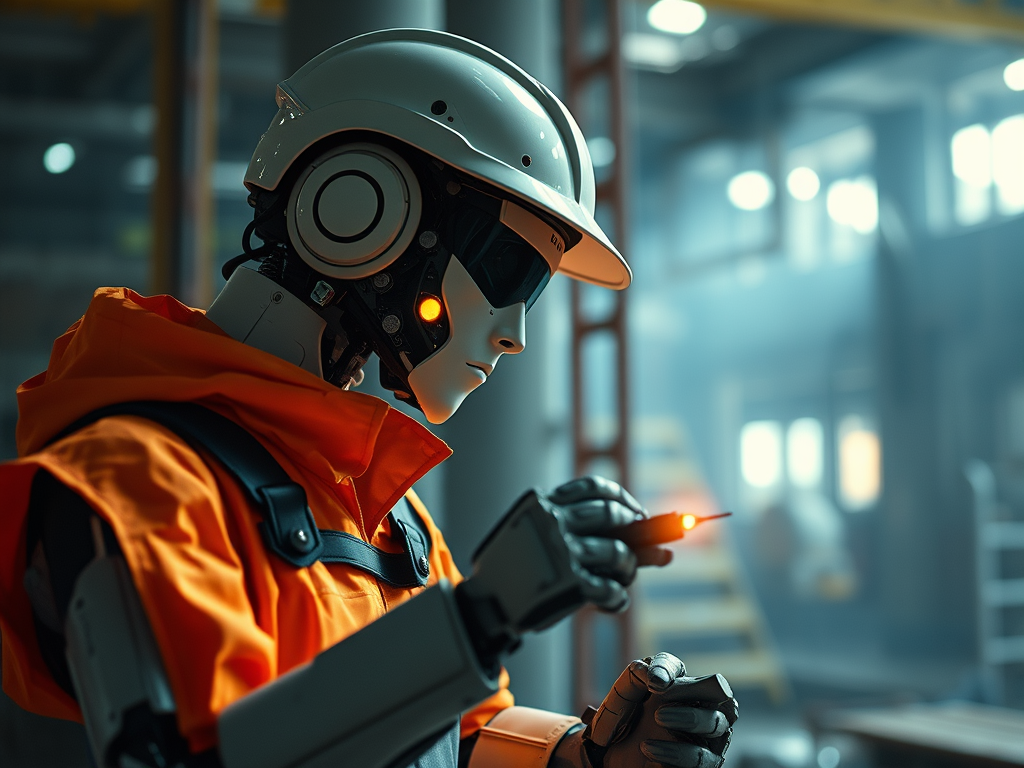
    Additionally, every image in the post was generated using the default “create image with AI” feature within WordPress.

  • I Am A CMO. I Don’t Buy Anything. A Renewed Case for outreach.txt

    I Am A CMO. I Don’t Buy Anything. A Renewed Case for outreach.txt

    If I get the tone wrong, I’ll sound like an old man yelling at kids to stay off his lawn (hence the photo). If I get it right, it’ll be an examination of “always target the top” when selling. You be the judge.

    I Don’t Buy Anything.

    In November, I’ll hit my 6 year anniversary at Axonius. That’s a long time.

    In the early days, I was CMO, demo-giver, writer, presenter, speaker, mailer of backpacks (Joseph Hoban will remember that), requester of API access, and generally chief pest. And in those days I still bought stuff.

    Fast-forward to today, and we’re a global team with leaders and specialists in nearly every Marketing function. Yet every day I get calls, emails, and LinkedIn messages from people saying some version of:

    “I see you’re the CMO, which means you would be responsible for buying click fraud detection solutions / spam attendee lists from events that haven’t happened yet / marketing automation software / explainer videos / partner portals / branded swag. Can we set up 45 minutes to talk and I’ll send you a pair of AirPods / a bluetooth speaker / an UberEats gift card ?”

    And every time someone gets through by spoofing a local number or creating a well-crafted subject line that makes me think I know them, I respectfully reply with a version of:

    I appreciate the hustle. As someone that runs Marketing at a tech company, I get the game….you have to get meetings in order to generate pipeline. Same. But I have to tell you: I’m not your guy. If you’re selling meetings or events, I have a team for that. Tech to help us automate? MOPS team. Other stuff? Channel, Content, PR, Field/Experiential, Brand…..Am I the guy that approves and says yes at the end? A lot of times, yes. Am I the guy to have a first meeting with? Nope.

    Because to me, two things are incredibly important:

    1. Time – I promise not to waste yours. Even if I agree to get on a demo call, the best case scenario is for me to say “Hmm. Interesting. Go talk to Anna. If she likes it, maybe we’ll do it.” What will NEVER happen is “You’ve convinced me. I’ll buy it and make my team use it. I’ve been down that road before. The best way to piss off your team and guarantee something won’t be adopted is to make them use something because the CMO said so. Even if it’s good. Because…
    2. You must let your leads evaluate what they want to buy. Why bother hiring great people if you’re just going to tell them what to do, how to do it, and what to buy to get them there? We’ve all been micromanaged. It stinks. But there’s a fine line between dictating what your team buys and just letting everyone buy anything they want without being involved. It has to be a balance.

    Being overbearing and making yourself the only person who evaluates and procures vendor solutions? Terrible idea.

    Being totally hands off and telling your team to go buy anything they want? Terrible idea.

    There’s a lot of nuance, integration, and understanding how everything fits together if you want to be both efficient and high performing.

    Does It Make Sense to Always Target The Top?

    I’m not sure it makes sense to always do anything.

    But I think in this case, it sort of depends. And this is where I’d like to hear your thoughts.

    • Are there industries/situations where the CXO always needs to be involved in the initial demo? Maybe. Could be that at smaller companies, that’s the right move. Maybe if you are selling something that the CXO themselves will be using, that’s the only way.
    • Should the person that signs the check be involved at the outset? Sometimes. I know that there are many deals in graveyards because the sales process didn’t include the decision maker. So is there something to be said for including the CXO at the beginning? Probably. But in my case, including me before my team wants to do something isn’t at all useful.

    So Isn’t This Just Personal Preference?

    Fair question. It might be. I’m sure there are CMOs out there that love attending vendor webinars, demos, and want to be involved at the outset. I am not one of them, and can’t understand why anyone would operate like that. I also don’t understand people that like:

    • Pop country
    • Pickles
    • Eating outdoors in the summer
    • 90 Day Fiancee
    • The movie “Death Becomes Her”
    • Clothes shopping
    • White cars
    • Flying from Boston to NYC rather than taking a train

    And about a million other things.

    A long time ago (February 2021) I wrote a similar LinkedIn post: Like robots.txt but for LinkedIn. The idea was to create a way to quickly demonstrate what I’m not at all interested in, what I’m not responsible for, and it would save me AND vendors a lot of wasted time and effort.

    More than two years later, I want to resurrect that idea and update it..this time not just for LinkedIn. Now it’s outreach.txt:

    //Tell Explainer Video Vendors We're Not Interested
    User-agent: Explainer-Video-Vendor
    Disallow: /
    
    //Tell Event Vendors Which Team to Contact
    User-agent: Event-Vendor
    Allow: Connections
    Disallow: /
    Refer: Axonius-Experiential-Team
    
    //Tell Lead List Vendors We Don't Buy Spam Lists
    User-agent: List-Vendor
    Disallow: /
    
    //Tell Martech Vendors Who to Contact
    User-agent: Marketing-Tech-Vendor
    Disallow: /
    Refer: Axonius-Marketing-Ops-Team
    
    //Tell PR/Content Vendors Who to Contact
    User-agent: PR-Content-Vendor
    Allow: Non-Pay-to-Play-Podcast-Requests, Earned-Media
    Disallow: Pay-to-Play-Infomercials
    Refer: Axonius-Content-and-PR-Team
    
    //Tell Webinar Vendors Who to Contact
    User-agent: Webinar-Vendors
    Disallow: /
    Refer: Axonius-Programs-Team
    
    //Tell Meeting Setting Vendors Who to Contact
    User-agent: Meeting-Setting-Vendors
    Disallow: /
    Refer: Axonius-Programs-Team
    
    //Tell Consulting Services Who to Contact
    User-agent: Consulting-Services
    Allow: Connections
    Refer: Kind-of-Depends
    
    //Tell Data Enrichment Vendors Who to Contact
    User-agent: Data-Enrichment-Vendors
    Disallow: /
    Refer: Axonius-Marketing-Ops-Team
    
    //Tell Outsourcing Agencies Who to Contact
    User-agent: Outsourcing-Agencies
    Disallow: /
    
    //Tell Sports Team Patch Sponsorship Vendors Who to Contact
    User-agent: Sports-Team-Patch-Sponsorship-Vendors
    Disallow: /
    
    //Tell OOH Brand Agencies Who to Contact
    User-agent: OOH-Brand-Agencies
    Disallow: /
    Refer: Axonius-Brand-Team
    
    //Tell ABM Vendors Who to Contact
    User-agent: ABM-Vendor
    Disallow: /
    Refer: Axonius-Digital-Team
    
    //Tell Analyst Firm Vendors Who to Contact
    User-agent: Analyst-Firm-Vendor
    Allow: Connections
    Refer: Axonius-Product-Marketing-Team

    If you’ve made it this far, enjoy another AI-generated photo like the header:

    No alt text provided for this image
    A 40+ year old white male yelling at a door-to-door salesman. Salesman looks dejected and embarrassed.

    What do you think? Am I just venting at what’s inevitable? Outreach is always going to be the same despite it – situationally – being a total waste of time. Or is there a case for understanding context and when it makes sense to have a leader of a function involved on the first engagement?

    Or even better….how do we get this outreach.txt thing to become real?